Pathology
- Home
- Pathology
Haematology
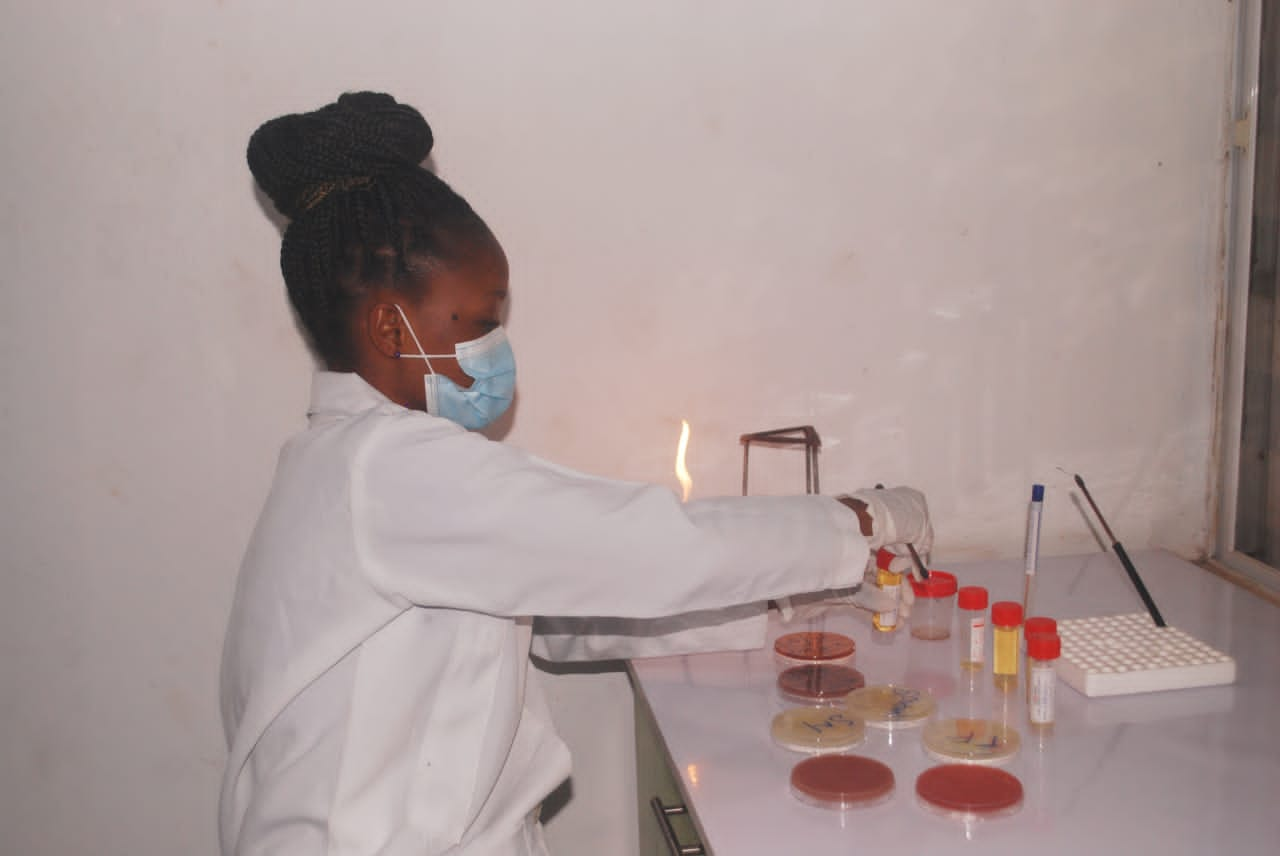
Haematology is the study and treatment of the blood, blood components and blood diseases.
It involves treating diseases that affect the production of blood and its components, such as blood cells, hemoglobin, blood proteins, bone marrow, platelets, blood vessels, spleen. Tests and investigations such as screens for conditions like low blood levels, polycythemia (increased blood level) and leukemia (blood abnormalities) are carried out.
Medical Biochemistry
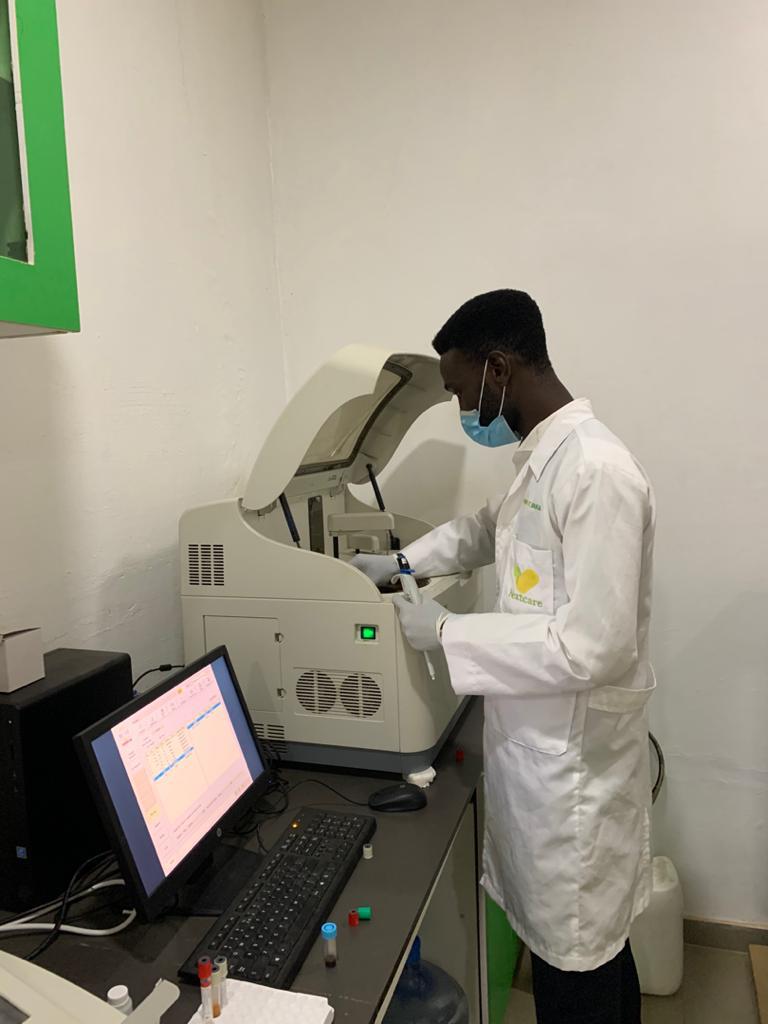
Medical Biochemistry is the study of biochemical exchanges that occur within the human body in the context of medicine, usually in terms of drug interactions or cellular responses to disease or stimulation. Millions of complex chemical reactions are going on in the human body at any given time. It is also known as Clinical chemistry, chemical pathology, clinical biochemistry ) and is the area of chemistry that is generally concerned with analysis of bodily fluids for diagnostic and therapeutic purposes.
Medical biochemistry investigations provide opportunities to know if one has internal organ associated abnormality and also if one is diabetic. Some of the tests/investigations carry out in medical biochemistry includes: Fasting blood sugar, Liver function test, Renal function test, Cardiac markers, Lipid profile, Lipoprotein test,
Immunology
Endocrinology
Endocrinology is the study of hormones. Hormones help in normal metabolic function of the body and they are essential for our every-day survival. They control our temperature, sleep, mood, stress, growth, etc Abnormalities in hormones lead to various diseases such as infertility, thyrodism, diabetes, etc. Hormonal profile for fertility investigation, insulin test, thyroid function test and growth hormone tests care are some of endocrinology investigation.
Histopathology and Cytopathology
Medical microbiology and parasitology
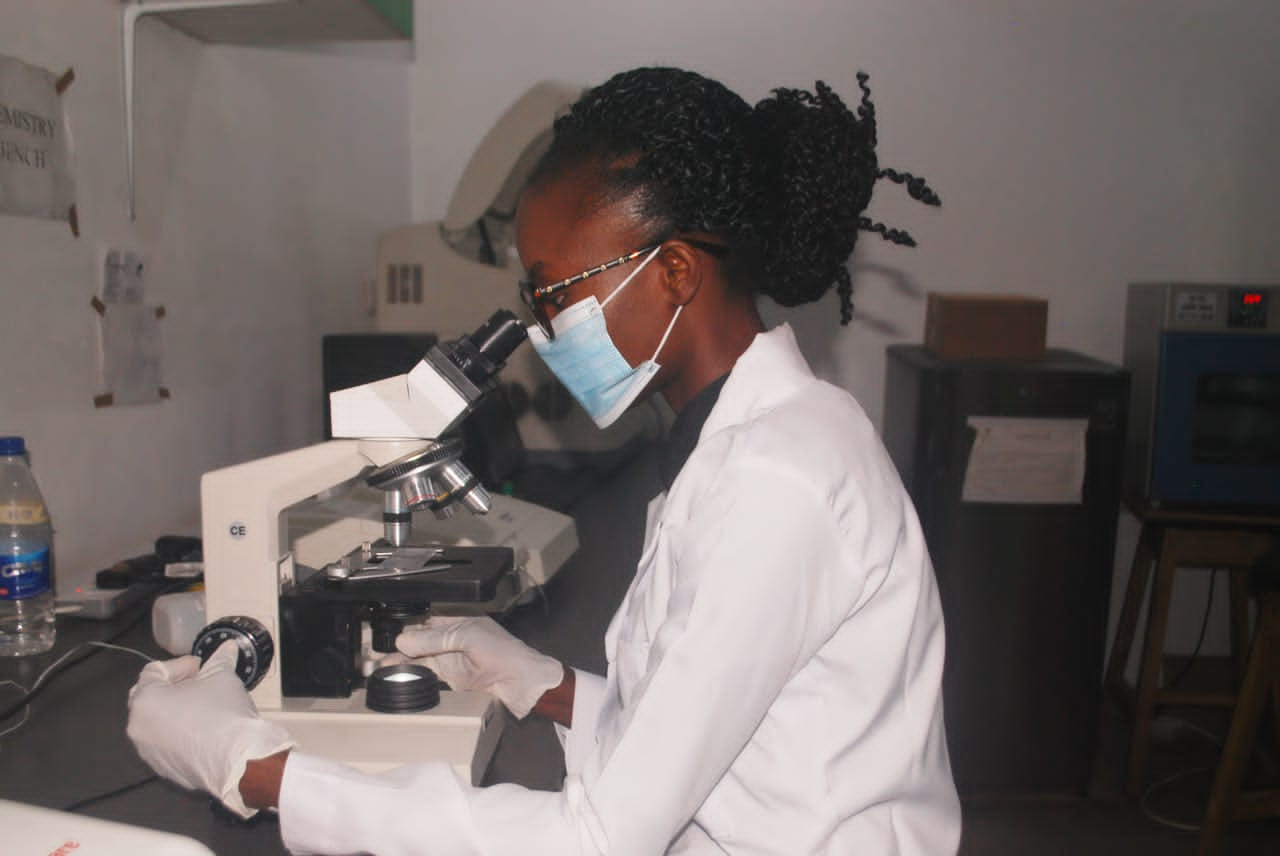
Medical microbiology and parasitology are concerned with the prevention, diagnosis and treatment of infectious diseases. In addition, this field of science studies various clinical applications of microbes (micro-organisms) for the improvement of health. There are four type of microorganism (bacteria, fungi, parasites and viruses) that causes infectious disease. Serious organs failures and eventual breakdown of body functions may occur if these agents are not detected on time in body fluid. Microbiology tests/investigation includes urine culture, stool culture, sensitivity test.